

Dark Spots Care
Dark Spots, Treated Online
Dermatologist-guided care for melasma, sun spots, and post-acne marks — personalized plans to even your tone, all online.


Dark spots — also called hyperpigmentation — happen when areas of skin make extra melanin, leaving patches that are darker than the surrounding skin. Common causes include sun exposure, melasma, and marks left behind after acne or inflammation. With the right combination of prescription treatment and daily sun protection, most dark spots can be faded over time. Our dermatology-led team can evaluate your skin from photos and build a personalized plan.
Brighten with kojic acid
Dermatologist-selected, over-the-counter options to support your dark-spot plan — pair with daily SPF for the best results.
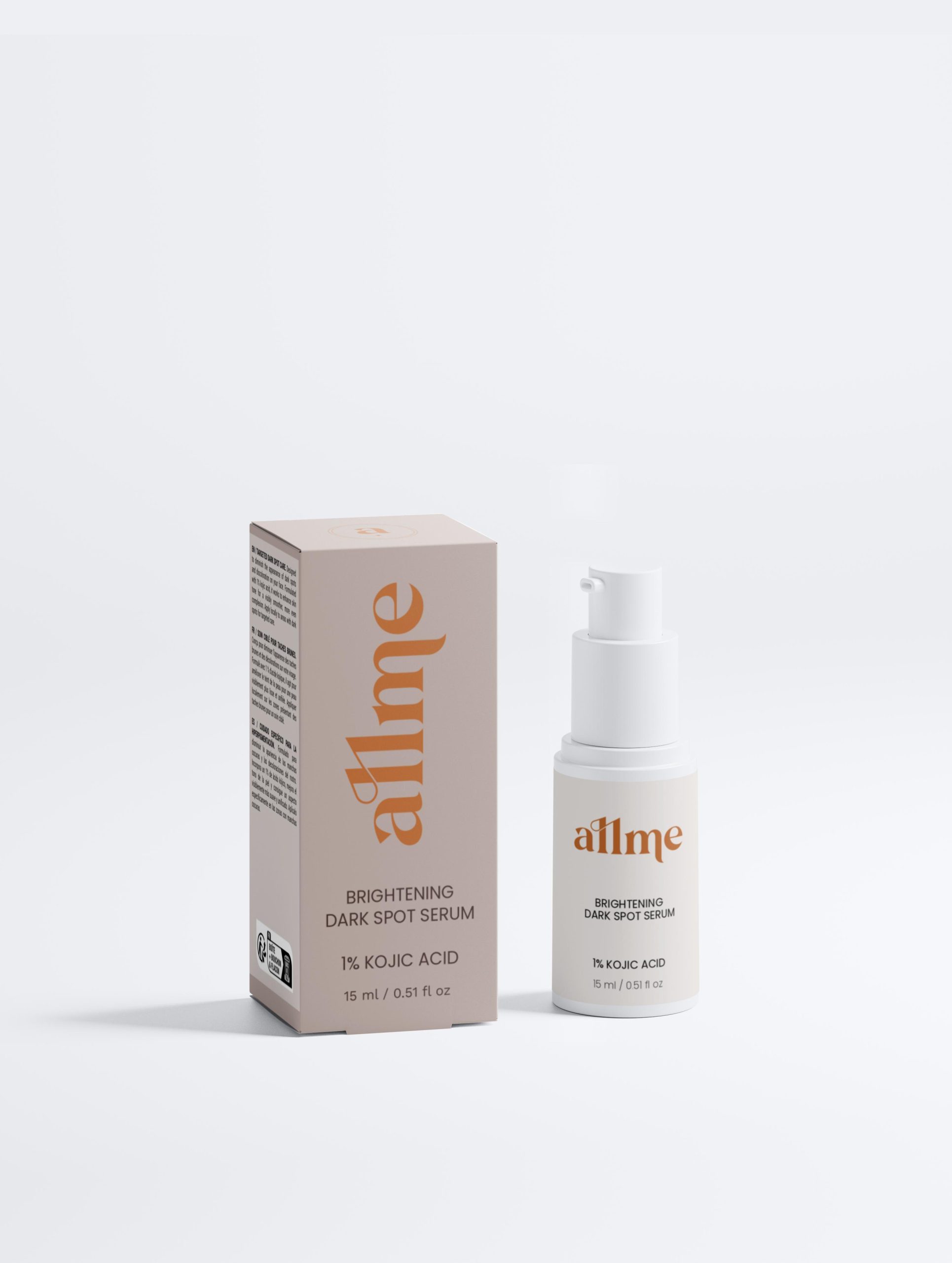
Kojic Acid 1% Brightening Dark Spot Serum
A targeted serum to fade stubborn spots and brighten tone.
$28Shop now →Kojic AcidBrightening Face Cream with Kojic Acid
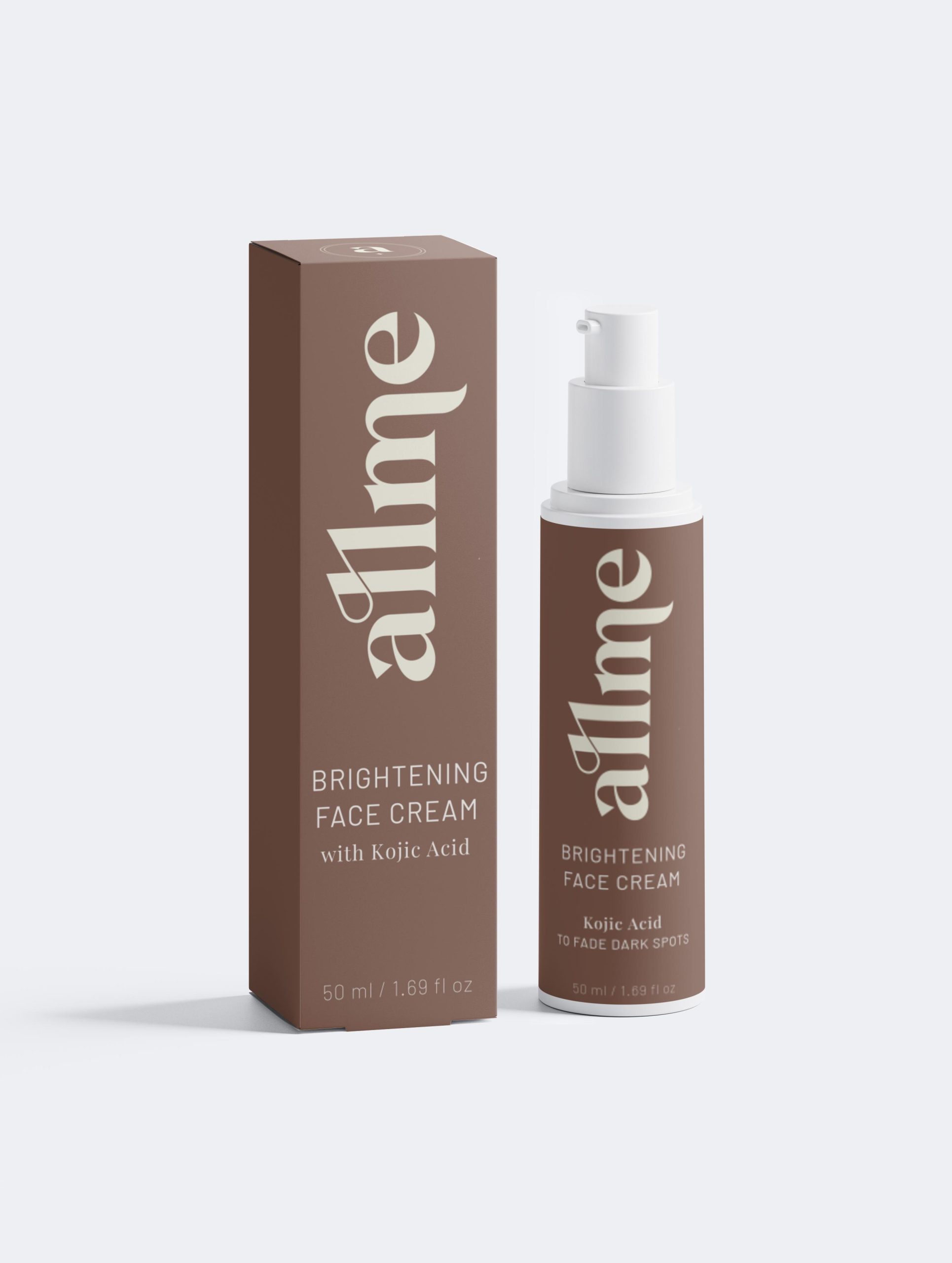
A daily moisturizer that evens tone while it hydrates.
$32Shop now →Kojic AcidBrightening Face & Body Exfoliator with Kojic Acid
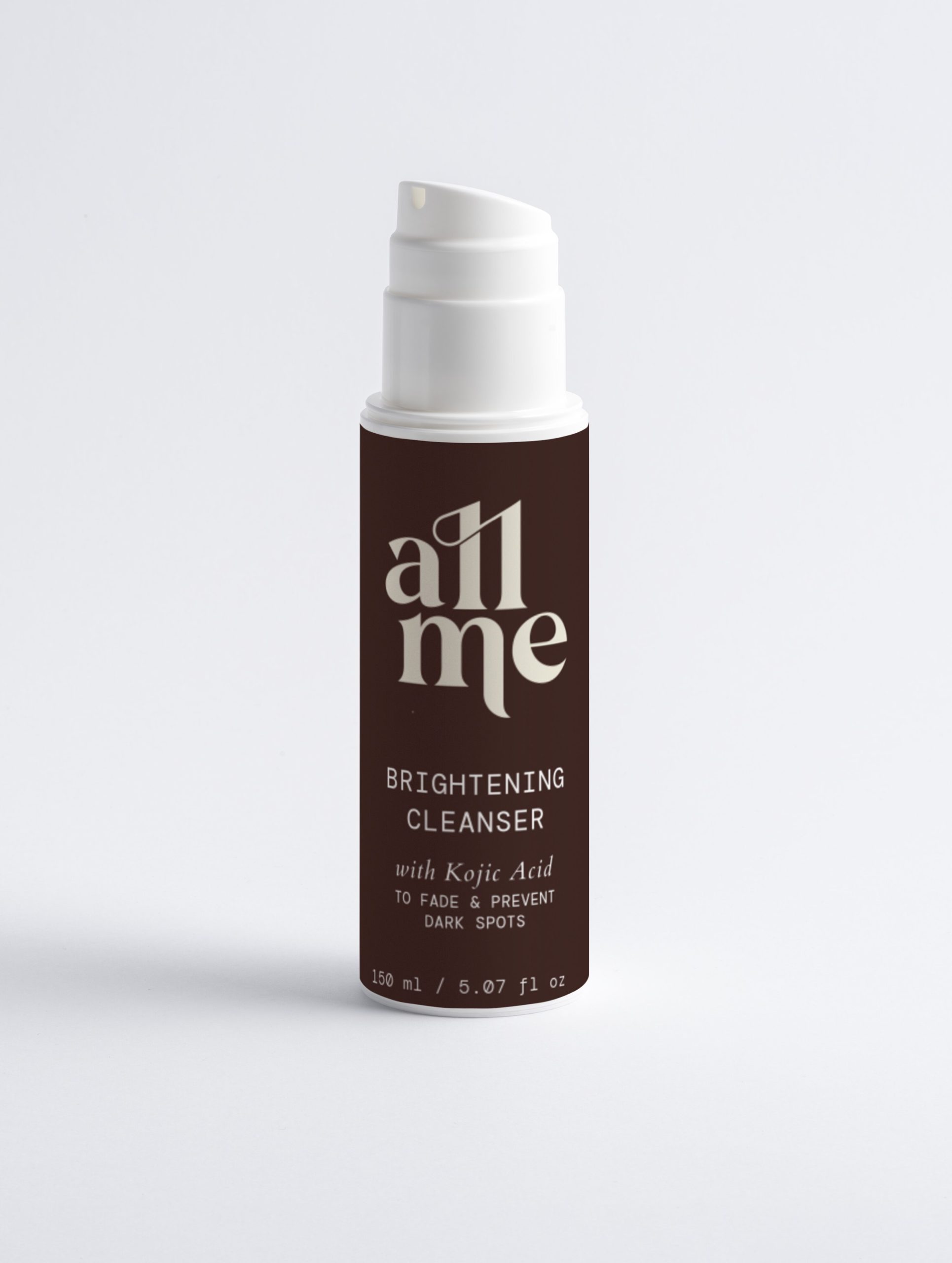
A gentle exfoliating cleanser for face and body.
$22Shop now →Simple, transparent pricing
Dermatologist-guided dermatology care, online.
video visit
video visit
photo visit
Prescriptions are sent to the pharmacy of your choice and may be covered by insurance. For biologics, we handle prior authorizations.
Dark spots: what they are, how we treat them & FAQs
Dark spots form when skin produces excess melanin. Common causes are sun damage (sun spots), melasma (often hormone- and sun-related), and post-inflammatory hyperpigmentation — the marks left after acne, eczema, or injury.
Melasma is a common form of hyperpigmentation that causes brown or gray-brown patches, usually on the face. It is influenced by sun exposure and hormones (such as pregnancy or birth control) and tends to be chronic and recurrent.
These are flat brown or red marks left after a pimple heals, known as post-inflammatory hyperpigmentation. They are not scars and usually fade over time, and treatment can speed that up.
Treatment often combines a prescription topical (such as hydroquinone, azelaic acid, or a retinoid), daily broad-spectrum sunscreen, and sometimes additional ingredients. Your provider will choose what is safe and effective for your skin.
Sun exposure is the biggest driver of dark spots and makes treatment far less effective. Daily broad-spectrum SPF 30 or higher is essential to fade existing spots and prevent new ones.
Pigment fades slowly. Most people see gradual improvement over 8 to 12 weeks with consistent treatment, and melasma in particular often needs ongoing maintenance.
Most are harmless and cosmetic. However, any spot that is changing, growing, irregular in color or border, or new in adulthood should be evaluated to rule out skin cancer.
Yes, especially melasma and sun-related spots. Ongoing sun protection and maintenance treatment help preserve results and prevent recurrence.

