Azelaic Acid: What No One Is Talking About

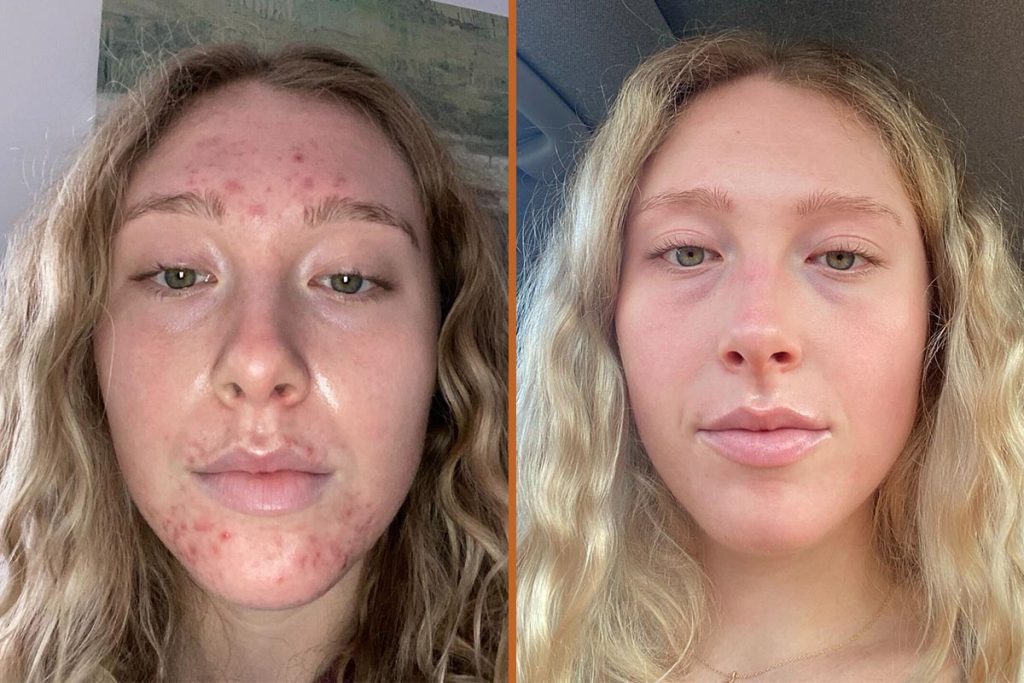
If you’ve spent any time in skincare communities lately, you’ve probably heard about azelaic acid. It shows up on ingredient lists, in dermatologist-approved routines, and all over social media as a hero ingredient for acne, rosacea, hyperpigmentation, and uneven skin tone. And the hype is largely deserved — azelaic acid is one of the most versatile, well-studied topical ingredients available.
But here’s what most of that content leaves out: not all azelaic acid is the same. The 10% serum you picked up at Sephora and the 20% cream your dermatologist can prescribe are categorically different products — and using the wrong one for your skin concern can mean months of frustrating, underwhelming results.
At allme, we believe you deserve to understand exactly what you’re putting on your skin and why. So let’s break it down.
What Is Azelaic Acid, and Why Does It Work?
Azelaic acid is a naturally occurring dicarboxylic acid originally derived from grains like wheat, rye, and barley. It works through several distinct mechanisms that make it uniquely useful across a range of skin conditions:
- Antimicrobial: It inhibits the growth of Cutibacterium acnes (the bacteria involved in acne) without the resistance risk associated with antibiotic treatments.
- Anti-inflammatory: It reduces redness and calms the inflammatory response that drives both acne and rosacea flares.
- Keratolytic: It gently normalizes the way skin cells shed, preventing the clogged pores that lead to breakouts.
- Tyrosinase inhibitor: It blocks the enzyme responsible for excess melanin production, making it effective for post-inflammatory hyperpigmentation (PIH) and melasma.
Unlike many actives, azelaic acid is also considered safe during pregnancy — a significant advantage for those navigating skin concerns while pregnant or breastfeeding, where options like retinoids and salicylic acid are off the table.
It’s gentle enough for sensitive skin, non-photosensitizing (meaning you can use it morning or night), and compatible with most other skincare ingredients. On paper, it sounds almost too good to be true. So why doesn’t everyone get the results they’re looking for?
Often, the answer comes down to concentration.
OTC Azelaic Acid: What You’re Getting
Over-the-counter azelaic acid products are widely available and typically formulated at concentrations between 5% and 10%. You’ll find them in serums, gels, and creams from brands like The Ordinary, Paula’s Choice, Naturium, Anua, Inkey List, and many others.
At these concentrations, azelaic acid can deliver real benefits — particularly for mild skin concerns, maintenance, or those with very sensitive skin who need to start low and go slow. It can help with:
- Mild post-acne marks and redness
- General brightening and evening of skin tone
- Calming occasional redness or irritation
However, there are important limitations to what OTC formulations can achieve. At 5–10%, the concentration of azelaic acid is simply not high enough to meaningfully address moderate-to-severe acne, active rosacea, or established hyperpigmentation and melasma. You may notice a subtle improvement in overall tone or a slight reduction in redness, but if you’re dealing with persistent breakouts, visible flushing, or stubborn dark spots, an OTC product is unlikely to move the needle in any significant way.
This is one of the most common reasons people conclude that azelaic acid “doesn’t work” — when in reality, they haven’t yet had access to the concentration that works.
Prescription Azelaic Acid: A Different Category Entirely
Prescription azelaic acid is formulated at 15% or 20% — a meaningful and clinically significant difference from what’s available over the counter.
In the United States, there are two FDA-approved prescription azelaic acid formulations:
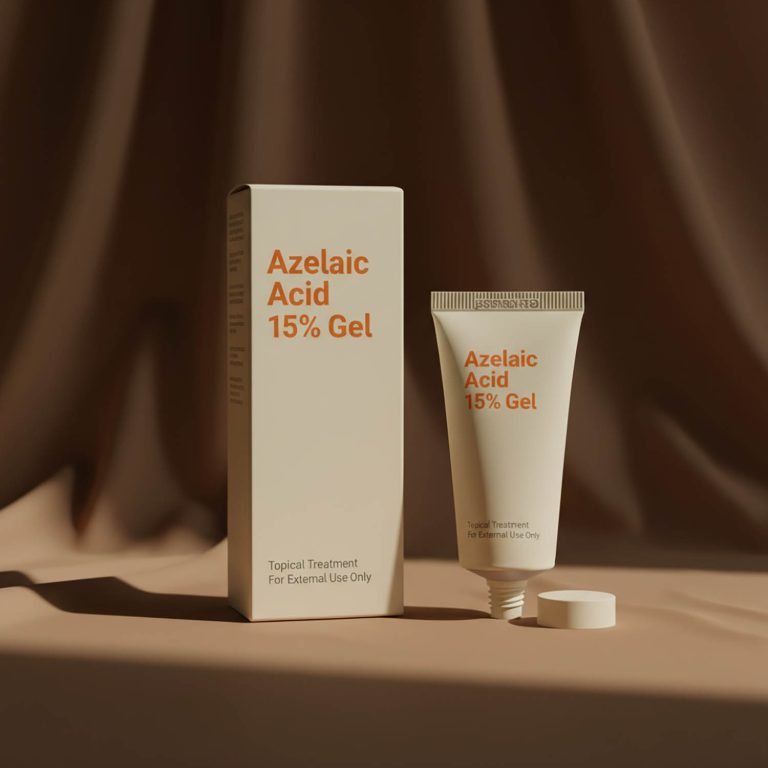
Finacea (Azelaic Acid 15% Gel)
Finacea is FDA-approved for the treatment of inflammatory rosacea (the kind with persistent redness, papules, and pustules). The gel formulation is lightweight and absorbs well, making it a good fit for those with oily or combination skin. Studies have shown significant reductions in inflammatory lesion counts and visible redness with consistent use.
Azelex (Azelaic Acid 20% Cream)
Azelex is FDA-approved for the treatment of acne vulgaris. At 20%, it’s the highest concentration available in a prescription product, and the cream vehicle makes it a strong option for those with dry or sensitive skin. It’s particularly effective for comedonal and inflammatory acne, and its tyrosinase-inhibiting properties make it a go-to for patients dealing with concurrent post-acne hyperpigmentation.
Both formulations have been through rigorous clinical trials demonstrating their efficacy and safety profile. When used correctly and consistently, prescription azelaic acid can produce meaningful improvements in acne clearance, rosacea control, and hyperpigmentation reduction — often where OTC options have already been tried and fallen short.
OTC vs. Prescription Azelaic Acid: Side by Side
| OTC Azelaic Acid | Prescription Azelaic Acid | |
|---|---|---|
| Concentration | 5–10% | 15–20% |
| FDA-approved | No (cosmetic claim only) | Yes (acne and rosacea) |
| Best for | Mild concerns, maintenance | Moderate-to-severe acne, rosacea, PIH, melasma |
| Availability | Sephora, Amazon, drugstores | Requires a prescription |
| Formulations | Serums, gels, creams | Gel (Finacea), Cream (Azelex) |
| Cost | $10–$50 | Varies; often covered by insurance; generics available |
| Proven efficacy | Limited clinical data at these strengths | Backed by clinical trials |
Who Is Prescription Azelaic Acid Right For?
Prescription-strength azelaic acid is worth considering if you:
- Have persistent acne that hasn’t responded well to OTC treatments
- Are dealing with rosacea — especially inflammatory rosacea with redness, papules, or pustules
- Struggle with post-inflammatory hyperpigmentation (dark marks left behind after breakouts)
- Have been diagnosed with or suspect melasma
- Are pregnant or breastfeeding and need an effective acne or pigmentation treatment that’s considered safe
- Have sensitive skin that hasn’t tolerated retinoids, benzoyl peroxide, or other common actives
- Are looking for an antibiotic-free acne treatment option
It’s also worth knowing that prescription azelaic acid is frequently used in combination with other treatments — retinoids, topical antibiotics, niacinamide — as part of a comprehensive skincare regimen. The right combination depends on your specific skin concerns, skin type, and history.
Common Azelaic Acid Mistakes (And How to Avoid Them)
Even when you have access to the right concentration, how you use azelaic acid matters. Here are the most common mistakes we see:
Using too much, too fast. Azelaic acid can cause tingling, redness, or mild irritation when first introduced — especially at prescription strength. Starting with every-other-day application and working up to daily use helps your skin adjust.
Expecting overnight results. Azelaic acid is a slow burn. Most patients see meaningful improvement at 4–8 weeks, with continued progress through 12–16 weeks of consistent use. Stopping too soon is one of the top reasons people don’t see the results they’re hoping for.
Layering it incorrectly. Azelaic acid plays well with most ingredients, but layering multiple actives without guidance can overwhelm the skin barrier or dilute efficacy. Getting a thoughtful regimen mapped out makes a real difference.
Using OTC when prescription is what’s needed. As we’ve covered — if your concern is moderate to significant, the concentration matters more than consistency alone.
How Allme Can Help
At Allme, our providers are experienced in working with azelaic acid across a range of skin concerns — and in knowing when it’s the right tool, at what strength, and how to integrate it into a regimen that actually works for your skin.
When you visit Allme, you’re not getting a one-size-fits-all protocol. You’re getting a real conversation with a dermatology provider who will look at your full picture: your skin concerns, your skin type, your history with other treatments, your lifestyle, and your goals. From there, we can determine whether prescription azelaic acid makes sense for you, whether it should be used as a standalone treatment or alongside other actives, and how to introduce it in a way that minimizes irritation and maximizes results.
We take an integrative approach at Allme — meaning we look at both the topical tools available to us and the broader factors that influence your skin, from hormones and gut health to diet and stress. Azelaic acid fits beautifully into that kind of comprehensive care because it’s effective, gentle, and works synergistically with both conventional and holistic approaches.
Whether you’ve tried azelaic acid before without success, are hearing about it for the first time, or have been using an OTC version and wondering if prescription strength might make a difference — we’re here to help you figure it out.
The Bottom Line
Azelaic acid is genuinely one of the most well-rounded ingredients in dermatology — but the version you can buy off the shelf and the version a provider can prescribe are not interchangeable. Concentration matters. Formulation matters. And having guidance on how to use it within a regimen tailored to your skin matters most of all.
If you’re dealing with acne, rosacea, hyperpigmentation, or any of the conditions azelaic acid is known to address, it’s worth having a real conversation about whether prescription-strength treatment is right for you.
Ready to find out if azelaic acid belongs in your routine? Book a consultation with Allme today — an asynchronous photo visit is just $69, with video consultations available for $119 for those who want a more in-depth conversation. We’ll take a look at your skin, your history, and your goals, and figure out the best path forward together.
prescription azelaic acid, azelaic acid OTC vs prescription, azelaic acid for acne, azelaic acid for rosacea, azelaic acid 20 percent, azelaic acid finacea, best azelaic acid